⚠️
Important Operation Notes
01
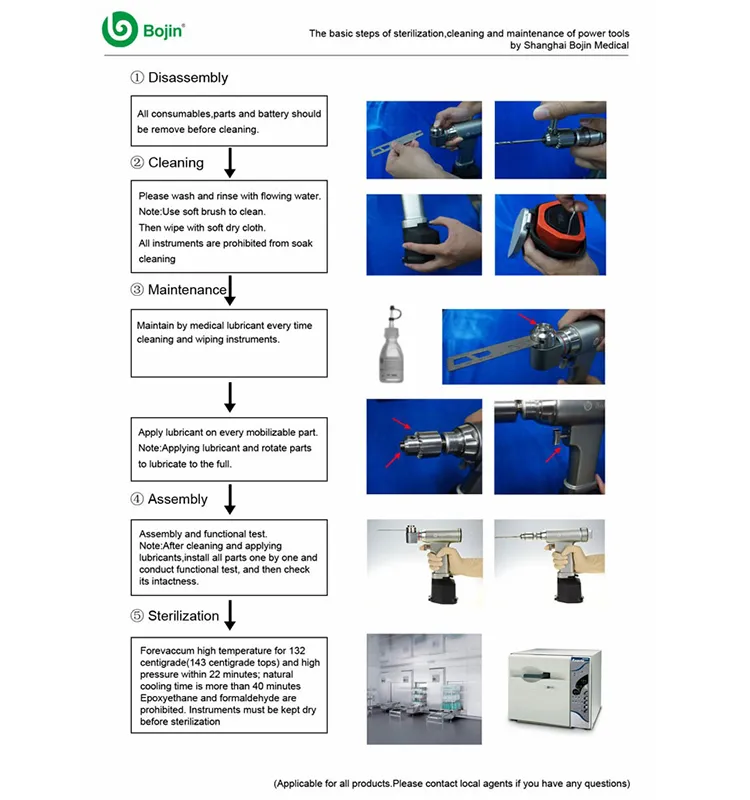
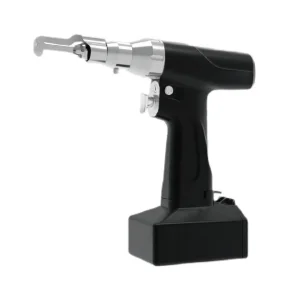
Sterilize temperature ≤ 135 °C (Improved type ≤ 155 °C). Exceeding 135 °C may damage the motor.
02
Normal bone drill holds bits < 6mm. Acetabulum reaming drill operates at ~300 rpm with high torque; cannulated drill operates at ~600 rpm.
03
Remove battery after surgery to prevent automatic discharge and prolong battery life.
04
The battery is not autoclavable and cannot be sterilized.
05
Wash cranial bur immediately after surgery to prevent blood adhesion, then dry thoroughly.
06
Ensure the battery compartment in the handpiece remains dry after sterilization.
07
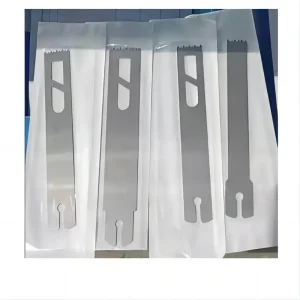
Cranial bur blades are medical stainless steel; designed for flexibility. Recommended for single surgery use due to wear.
🏢
Professional Manufacturing
Established in 1993, the manufacturer is an advanced orthopedic equipment provider focusing on motor products, X-ray imagescopes, and surgical tools. With over one hundred types of orthopedic products across 8 series, the equipment has received certifications including QC 3C, ISO9001, ISO13485, CE (EU), and FDA Registry. These innovative high-tech products serve thousands of medical institutions and hospitals across North America, Europe, and Asia.
Frequently Asked Questions
What is the maximum sterilization temperature for the motor?
The standard sterilization temperature should be ≤ 135 °C. For improved types, it can go up to 155 °C. Exceeding these limits will cause damage to the motor.
Can the battery be sterilized?
No, the battery is not autoclavable and cannot be sterilized. It must be removed from the handpiece before the sterilization process.
What are the RPM specifications for different drill types?
The acetabulum reaming drill operates at approximately 300 RPM with high torque, while the cannulated drill used with nails or K-wires operates at approximately 600 RPM.
How should I maintain the cranial bur after surgery?
The cranial bur must be washed with a purger immediately after surgery to avoid blood sticking to the bur, followed by thorough drying.
How many times can the cranial bur blade be used?
While made of medical stainless steel, the blades are flexible and prone to wear. It is highly suggested to use each blade for only one surgery to ensure performance and safety.
What certifications do these orthopedic tools have?
The products are certified under CE (EU), FDA, ISO9001, ISO13485, and SGS standards, meeting international medical safety requirements.
 Medisage Medical