Medisage Medical
Bone fractures are common injuries that affect millions worldwide. Understanding how are bone fractures treated in modern medicine is crucial for recovery. Various methods exist, each tailored to specific fracture types and patient needs.
Modern medicine employs advanced imaging techniques for accurate diagnosis. X-rays and MRIs help physicians determine fracture severity. Treatments range from conservative approaches to surgical interventions. Techniques such as casting or splinting stabilize the bone. In more severe cases, surgeries like internal fixation are performed.
However, not all treatments guarantee perfect outcomes. Complications can arise, and recovery times vary. Patients might also experience pain and limited mobility post-treatment. Balancing innovation with individual healing processes remains a challenge in orthopedic care. Each case offers lessons for improvement and holistic approaches to recovery.
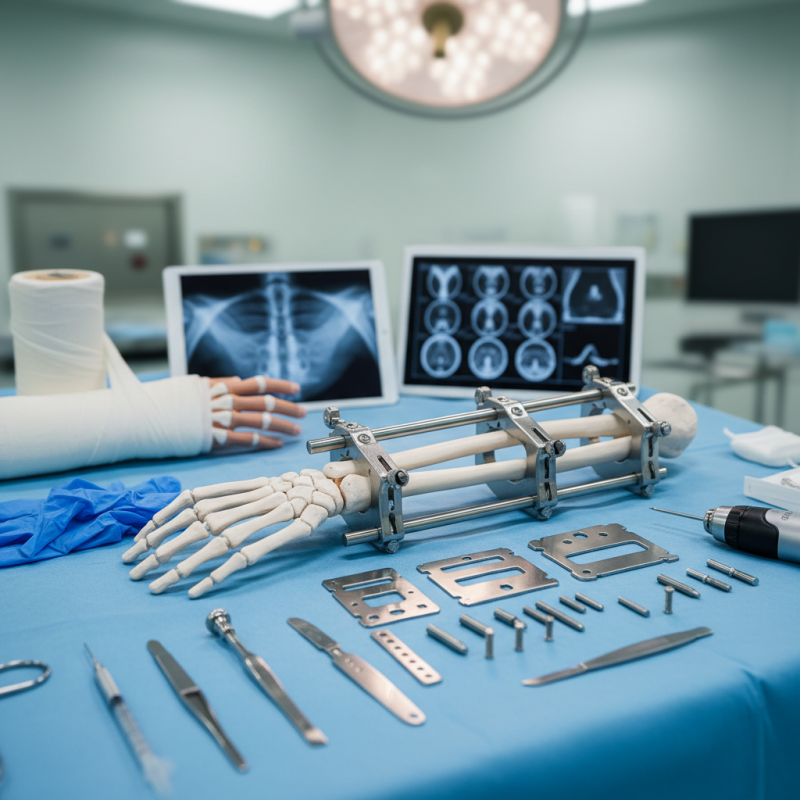
When considering treatments for bone fractures, multiple factors come into play.
Patient age significantly influences choices. Younger individuals may heal faster, allowing for less invasive techniques.
Older adults often require more careful consideration due to slower healing rates and potential comorbidities.
Another important factor is the location and type of fracture. Simple fractures may be treated with casting or splinting,
while complex fractures may need surgical intervention.
Additionally, a patient's overall health status can affect treatment.
Conditions like osteoporosis can complicate recovery and may require specialized methods.
Economic factors also play a role. The financial burden of treatments, including rehabilitation, influences decision-making for both patients and healthcare providers.
Accessibility to advanced medical technologies varies widely, impacting the options available.
Finally, patient preference should not be overlooked.
Some may prioritize quick recovery over potential long-term outcomes.
These considerations highlight how multifaceted the decision-making process is in managing bone fractures.
Open reduction and internal fixation (ORIF) is a widely used surgical intervention for treating bone fractures. This technique involves realigning fractured bones and securing them with metal plates, screws, or rods. Surgeons perform ORIF under general or regional anesthesia, allowing for significant pain management. An essential aspect of this procedure is the precision in realigning the bones to promote effective healing.
One notable aspect of ORIF is its ability to stabilize complex fractures. For example, in cases of shattered bones or fractures near joints, this method enhances mobility after recovery. However, it requires meticulous planning and expertise. Surgeons must consider factors like the patient's age and activity level. Also, the choice of fixation devices often poses challenges. Some materials can cause allergic reactions, while others might not support sufficient weight.
While ORIF generally leads to positive outcomes, it is not without its complications. Infection can occur at the incision site, which can delay healing. Additionally, improper alignment can lead to long-term dysfunction. This underscores the need for continuous evaluation of techniques and materials. Surgeons must remain informed about innovations in orthopedic care to mitigate risks.
Casting and bracing are two primary non-surgical methods for stabilizing bone fractures. These methods have been widely used in modern medicine due to their effectiveness and minimal invasiveness. According to a report by the American Academy of Orthopaedic Surgeons, approximately 70% of fractures can be successfully managed without surgery. This highlights the significance of these conservative approaches in fracture care.
Casting typically involves immobilizing the broken bone using a rigid material. It provides support, prevents movement, and allows the body to heal naturally. Generally, a cast is required for about 4 to 6 weeks, depending on the fracture type.
Bracing, while similar in purpose, offers more flexibility. It is adjustable and often used for less severe fractures. The choice between casting and bracing often depends on the fracture's location and complexity. Some studies suggest that improper use of braces may lead to complications, indicating a need for proper training and guidance.
Despite their benefits, these methods are not without drawbacks. A cast can be uncomfortable and may cause skin irritation. Some patients experience swelling, leading to tightness. In rare cases, complications such as compartment syndrome occur. This underscores the importance of monitoring during treatment.
Doctors must assess the patient's condition often, ensuring that healing progresses smoothly. Overall, while casting and bracing are effective treatments, they require careful management for optimal outcomes.
Bone fractures can be debilitating. Traditional treatments often involve immobilization and physical therapy. However, emerging therapies are changing the game. Stem cell therapy shows promise in regenerative medicine. These cells can differentiate into various types of tissues. They may enhance healing and recovery after a fracture.
Biologic treatments are also gaining traction. They utilize natural processes to promote healing. Growth factors, for instance, can stimulate bone regeneration. Furthermore, they may reduce recovery time and improve outcomes. There is still uncertainty around these treatments. Long-term effects and effectiveness require further study. Patients should approach these options with caution but hope for advancements in healing overall.
Rehabilitation strategies play a crucial role in the recovery process after a bone fracture. Physiotherapy, in particular, is essential for restoring mobility and strength. Studies show that patients who engage in structured physiotherapy have better outcomes. According to the Journal of Bone and Joint Surgery, 80% of patients report significant improvements in mobility through early rehabilitation.
Effective physiotherapy includes exercises tailored to the patient's specific needs and progress. These sessions aim to enhance muscle strength, flexibility, and joint stability. Consistent engagement with physiotherapists leads to a more efficient recovery process. Patients should aim for at least three sessions a week for optimal results.
Tips: Start with gentle movements. Gradually increase exercise intensity. Listen to your body and consult your physiotherapist regularly.
Recovering from a fracture isn't just about healing bones. It involves overcoming mental barriers as well. Fear of re-injury can affect progress. Addressing these concerns and maintaining a positive attitude is essential. Regular communication with healthcare professionals can alleviate worries and ensure a smoother recovery journey.
| Treatment Method | Description | Recovery Time | Physiotherapy Role |
|---|---|---|---|
| Cast Immobilization | Using a rigid cast to stabilize the fracture. | 6-8 weeks | Helps in regaining mobility and strength post-cast. |
| Surgical Fixation | Using screws, plates, or rods to stabilize the bone. | 4-12 weeks | Key in post-operative rehabilitation and movement recovery. |
| Physical Therapy | Structured exercise program to enhance recovery. | Varies | Essential for restoring strength and function. |
| Bone Grafting | Transplanting bone tissue to aid healing. | 4-6 months | Important for rehabilitation to support new bone formation. |
| Electrical Bone Stimulation | Using electrical currents to promote healing. | Varies | Enhances tissue and bone regeneration during recovery. |
| Ultrasound Therapy | Using sound waves to accelerate healing. | Varies | Promotes tissue repair and pain relief. |
| Non-Steroidal Anti-Inflammatory Drugs (NSAIDs) | Medications to reduce pain and swelling. | N/A | Facilitates easier movement during recovery. |
| Nutritional Therapy | Dietary adjustments to promote bone health. | Ongoing | Supports overall healing and recovery times. |
| Hydrotherapy | Exercising in water to reduce stress on joints. | Varies | Enhances mobility without the adverse effects of gravity. |
| Acupuncture | Using needles to relieve pain and promote healing. | Ongoing | Aids in pain management during recovery. |
: Patient age, fracture location, overall health, and economic factors play significant roles in treatment selection.
Younger patients may heal faster, allowing for less invasive treatments, while older adults may need careful evaluation.
Complex fractures typically need surgical intervention, while simple fractures may be treated with casting or splinting.
They offer potential benefits, like improved healing and reduced recovery time, but still need more research for validation.
Physiotherapy restores mobility and strength, leading to better outcomes for patients who actively engage in their recovery.
Patients should participate in tailored exercises, increase intensity gradually, and consult their physiotherapist regularly for guidance.
At least three sessions a week are recommended for optimal recovery outcomes after a fracture.
Yes, fear of re-injury can impede progress, making mental support as crucial as physical rehabilitation.
Some patients prioritize quick recovery, which can influence the direction of their treatment and rehabilitation.
While innovative, stem cell therapy and biologics require cautious consideration due to uncertainty around long-term effects.
In modern medicine, the treatment of bone fractures involves a comprehensive approach that considers various factors influencing the selection of appropriate therapies. Understanding how are bone fractures treated in modern medicine requires an examination of both surgical and non-surgical methods. Surgical interventions, such as open reduction and internal fixation techniques, allow for precise alignment and stabilization of fractured bones. Conversely, non-surgical approaches like casting and bracing provide effective stabilization for less severe fractures.
Additionally, emerging therapies such as stem cell therapy and biologic treatments offer promising avenues for enhancing healing and recovery. Rehabilitation strategies, particularly physiotherapy, play a crucial role in the recovery process, ensuring that patients regain strength and mobility post-fracture. By integrating these diverse methods, modern medicine aims to optimize patient outcomes in the management of bone fractures.
